
Conjugations of the Sea
Every morning, I walk into the ocean. The water is usually clear enough to see the pale sand beneath my feet. Schools of small silvery fish flicker around my calves. The pelicans are already working offshore. By the time the water reaches my shoulders, the land behind me has begun to feel farther away.
I stay there for thirty or forty minutes. My only timer is the state of my pruned fingers.
One morning, while standing in the swell, I realized I wasn't swimming. A wave arrived. My body adjusted. Another wave arrived. Another adjustment. A small kick. A shift of weight. My hands moved beneath the surface without conscious instruction. I was in constant motion, but I wasn't going anywhere. The ocean was moving. I was moving. The relationship between us was moving. But I remained roughly where I had started.
What exactly was I doing out there?
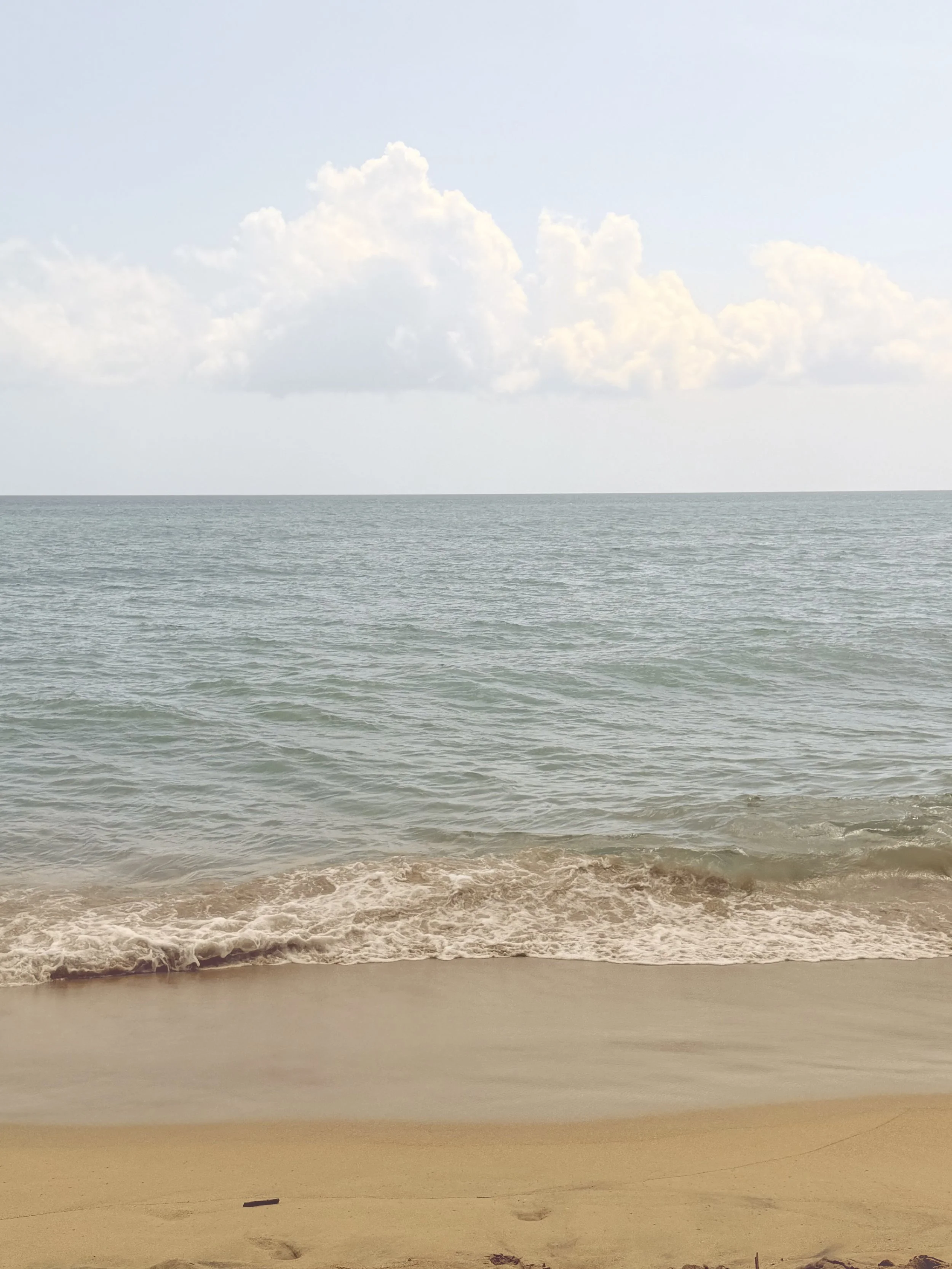
I began looking for a word for what I was doing. The closest seemed to be wading. The word is older than I expected. Before it meant walking through water, it meant moving through resistance, to proceed through something that impedes movement. Grief is a form of wading. So is parenthood. Illness. Pilgrimage. The slow work of becoming someone different from the person you were.
But wading requires a bottom. The feet must still know where the earth is. Eventually mine leave the sand.
Perhaps I was swimming. Yet swimming implies a destination. It suggests crossing from one place to another. Every morning, I return to roughly the same patch of sea. I am not trying to arrive anywhere.
Floating seemed closer. Floating requires trust. It asks the body to surrender some of its certainty and accept that water knows how to hold the weight. Yet I am not stretched across the surface. I remain upright and attentive. Watching the horizon. Feeling the current change. Listening for the larger waves arriving from deeper water.
The technical term is treading water. From shore, that is likely what I appear to be doing. Yet people tread water when they are stranded. When they are waiting. When they are trying not to drown. None of those feel true. Every morning, I enter the water willingly.
In dance, there is a practice called marking. Dancers move through choreography without performing it at full intensity. They remain in conversation with the movement without fully committing to every leap and turn. The ocean arrives. I answer. The ocean arrives again. I answer again. Conversation.
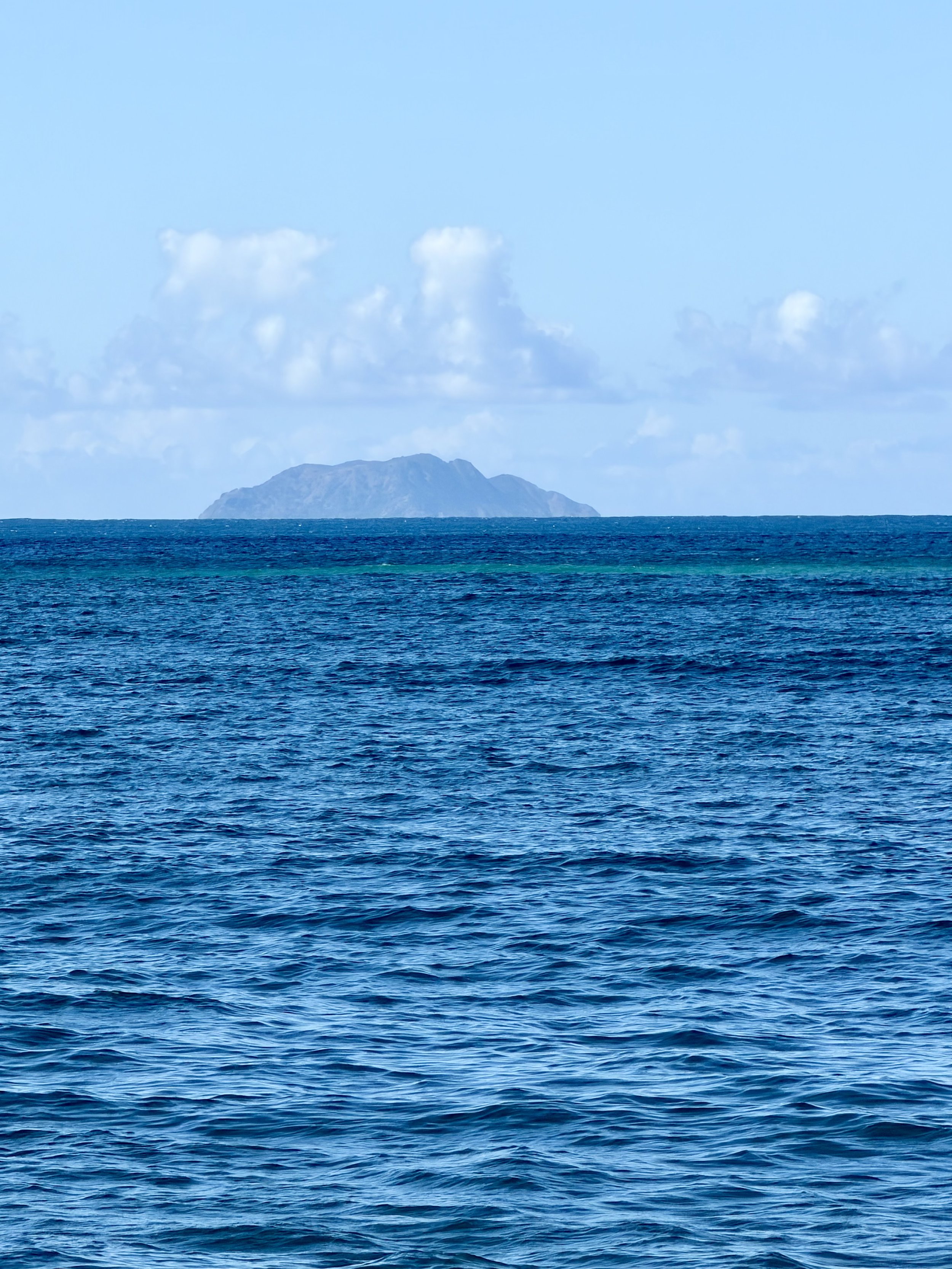
The longer I sat with the question, the less it felt like a problem of vocabulary. Perhaps I wasn't missing the correct verb or failed to find the correct word. Perhaps the problem was that I was searching for a verb at all.
Most verbs assume separation. One thing acts upon another. The wave moved me. I entered the ocean. But standing in the Caribbean, those distinctions begin to blur. The water presses against my skin. My body responds. I lean into a swell and alter its shape, however slightly. The exchange is continuous. Neither of us remains unchanged.
The same is true of a conversation. Of a forest. Of a reef. Nothing exists alone for long. A mangrove root gathers sediment. The sediment changes the shoreline. The shoreline alters the current. The current shapes the reef. The reef shelters fish. The fish carry nutrients elsewhere. Where, exactly, does one thing end and another begin?
The longer I stand in the sea, the less interested I become in nouns. Ocean. Fish. Body. Self. These are useful words. But they can hide as much as they reveal. The sea presents itself differently. Current becoming wave. Wave becoming foam. Foam becoming sea again. Nothing fixed. Only relationship.
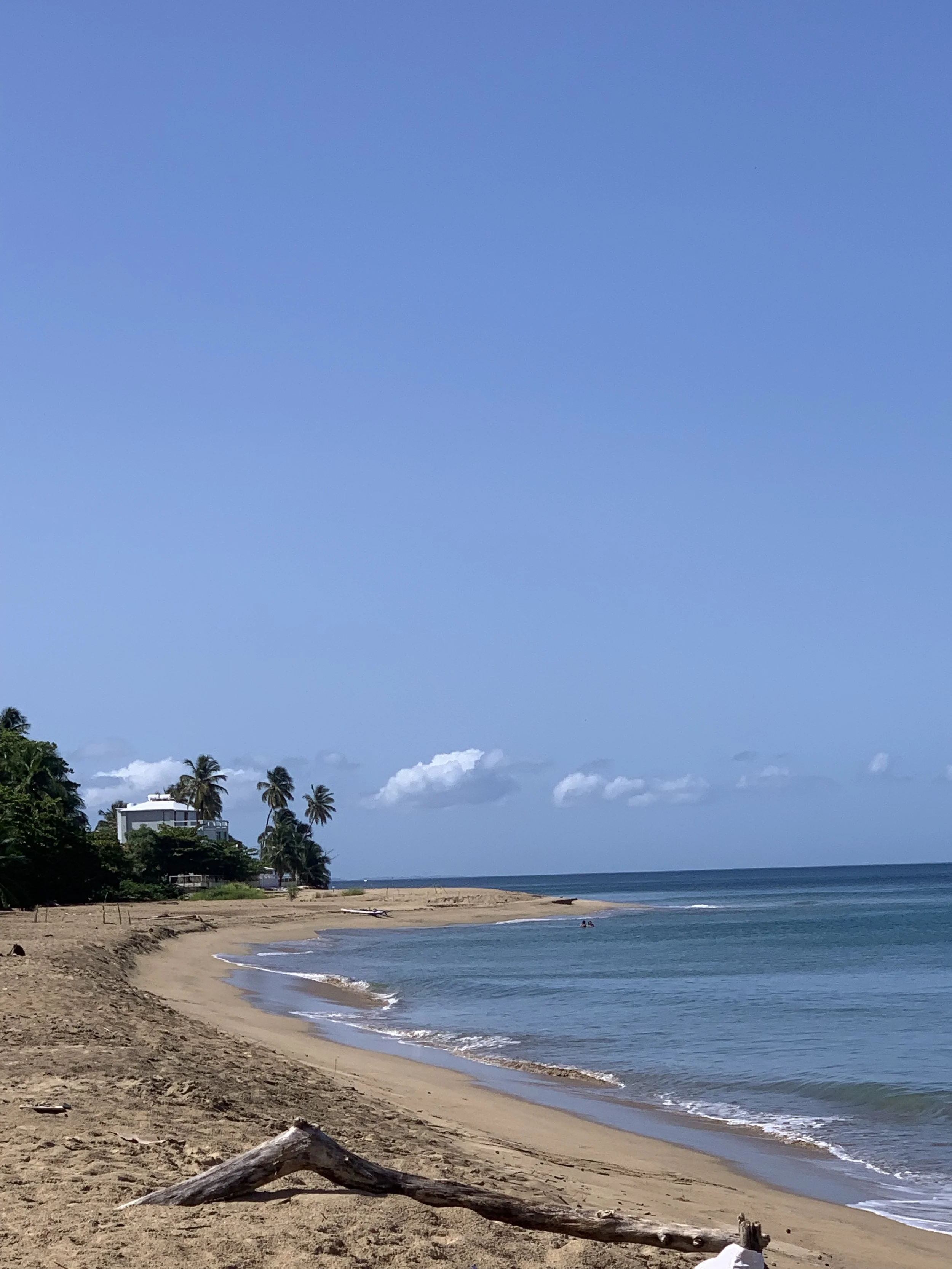
We often think relationships connect otherwise separate things. Standing in the water, I have begun to wonder if the opposite is true. What if relationships are not what connect things? What if relationships are the things?
The longer I stand in the sea, the more the wave offers a clue. A wave is real. I can see it. Feel it. Name it. Yet a wave is not separate from the ocean that gives rise to it. It is a temporary expression of countless movements meeting in a particular place and time.
Perhaps we are something similar.
We speak of individuals as though they exist first and enter into relationships later. But what if the individual is not the starting point? What if each of us is a particular shape that relationship takes for a while? A temporary pattern of ancestry, place, language, memory, affection, loss, and attention. Distinct, but not separate.
From this perspective, grief begins to look different. When someone dies, we often speak as though a relationship has ended. Yet the dead continue shaping decisions, memories, habits, identities. The relationship changes form, but it remains active. The same might be said of belonging. Of love. Of ancestry.
I have spent time searching for the right word: wading, swimming, floating, treading, marking. Each illuminates part of the experience and leaves another part in shadow. Perhaps the ocean is not withholding a word. Perhaps it is offering a different question. Not what am I doing out here, but what forms are these relationships taking, and how briefly do they get to call themselves me?
Michelle Carrera is a Puerto Rican writer, grief worker, death doula, and cultural witness exploring grief, ancestry, ecology, spirituality, and belonging in a changing world. Their work has appeared in various publications and can also be found through Grief and Liberation.
Grief and Liberation is a creative ecosystem devoted to grief, pilgrimage, ecology, ancestry, spirituality, animals, and the search for aliveness in fractured times. Through essays, stories, and reflections, it asks how we remain open-hearted in a world marked by loss and transformation. www.griefandliberation.com
Readers who would like to support this work can do so through Patreon, where Michelle shares Studio Notes, works in progress, and other writings from the edges of the creative process.